Teaching

Chem 300: Biochemistry
Introduction to biochemistry at the cellular and chemical levels. Emphasis on protein structure and function, enzymes, bioenergetics, intermediary metabolism, carbohydrates, and other biological molecules. Three class meetings, one laboratory per week. Prerequisite: CHEM 221 and BIOL 120, or permission of the instructor.

Chem 221: Organic Chemistry II
Addition, substitution, and elimination reactions; molecular rearrangements; aromaticity; carbohydrates and heterocyclic chemistry. Laboratory focuses on microscale organic synthesis, infrared and nuclear magnetic resonance spectroscopy, and GC/MS. Three class meetings, one laboratory per week. Prerequisite: C- or better in CHEM 220 or permission of the instructor.
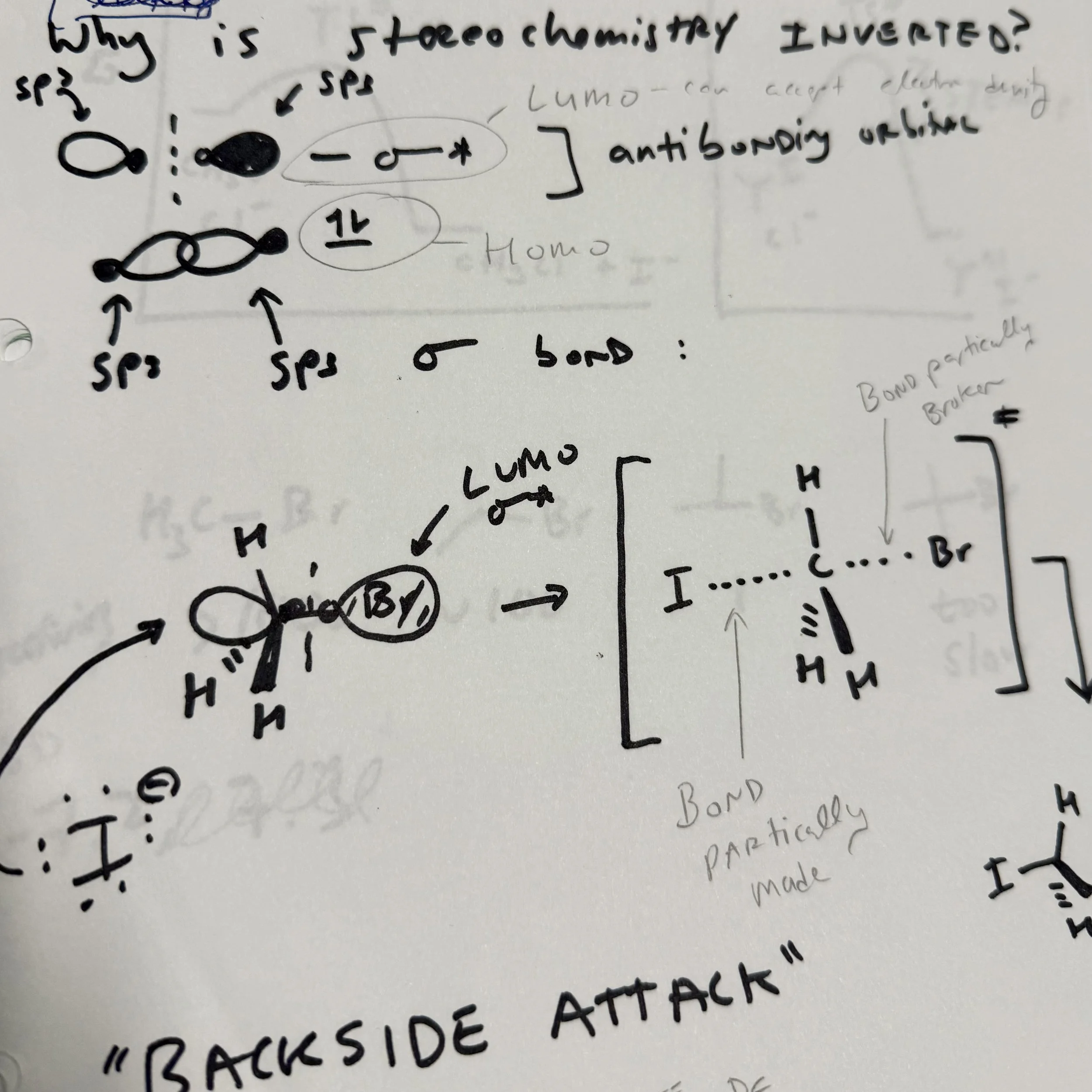
CHEM 220: ORGANIC CHEMISTRY I
Organic chemistry is the study of the structure and reactivity of carbon-containing
compounds. In this course we discuss the physical properties, and chemical transformations of organic
compounds, placing a special emphasis on the development of a systematic rational to account for these
properties and reactions. The lecture for this course focuses on organic functional groups, nomenclature,
resonance, inductive and steric effects, stereochemistry, substitution, elimination, and addition reactions.
Laboratory focuses on microscale synthetic techniques, infrared and nuclear magnetic resonance
spectroscopies, and gas chromatography. Three class meetings, one laboratory per week. Prerequisite:
CHEM 116 or permission of the instructor. Students must also register for a lab.

Chem 104: Chemistry of human health and reproduction
A non-majors course that focuses on biochemical processes related to human health and reproduction. In this class we will introduce concepts necessary to understand how the structure and function of endogenous small molecules and pharmaceuticals modulate biological processes – with an emphasis on human health and reproduction. Topics will include hormones, birth control, fertility treatments, hormone replacement therapy. Additional topics may include anti-depressants, painkillers, and antibiotics.